Leak Detection

Isolate water loss fast—evaporation vs. plumbing vs. structure—then map repairs that protect your pool and hardscape in Bergen County.

Leak Work Isn’t “Guess and Dig”—It’s Ruling Things Out in the Right Order

Water loss triggers anxiety because every day of uncertainty can mean shifting decking, saturated soil, heater damage, or chemistry you can’t stabilize. The goal is disciplined isolation: separate normal evaporation and splashout from a real leak, then narrow the neighborhood—shell, underground plumbing, equipment pad, or fittings.

We approach leak investigation with a practical process designed to avoid unnecessary demolition. Sometimes the failure is mundane—a bad valve, a cracked fitting, a multiport that bypasses filter pressure—other times it’s structural and needs a coordinated repair scope.

Our output is a clear story: what we believe is happening, confidence level, urgency, and next actions—plus coordination into repair scheduling when you want the same team to finish the loop.

Step one: quantify loss and eliminate “fake leaks”

Wind, heater steam, backwashing, splashing, and auto-fill quirks can mimic leaks. Before chasing underground plumbing, we validate whether the pool is actually losing water in a way that matters—not just “it looks lower after a weekend.”

When appropriate, we use structured bucket tests and controlled observation windows so you’re not making expensive decisions off anecdotal observations.

  • Evaporation vs. leak framing using realistic NJ humidity/wind context
  • Auto-fill malfunction clues and unintended overfilling patterns
  • Documentation for insurance/real-estate timelines when required
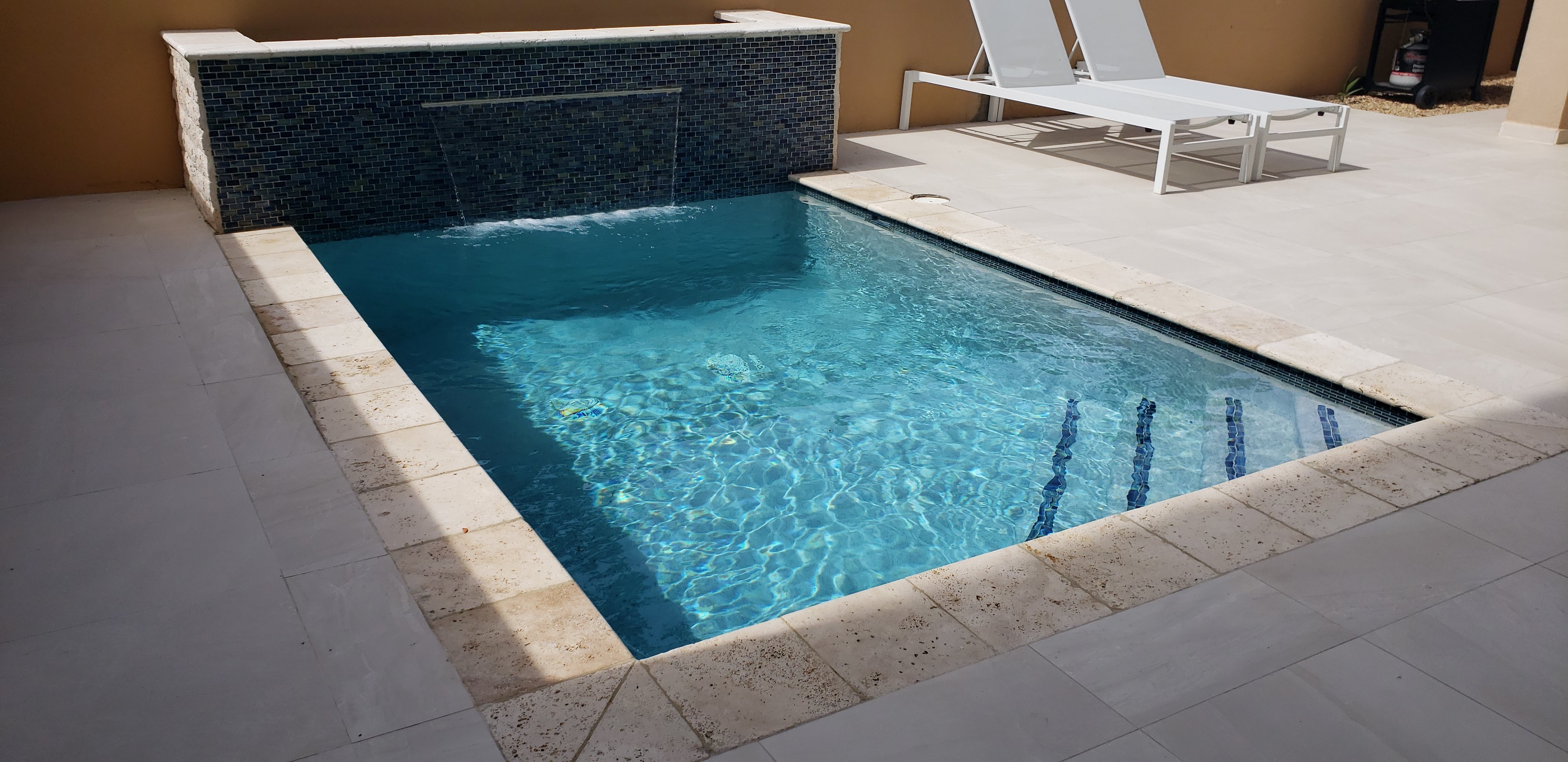
Pool leak assessment and water loss investigation

Equipment pad leaks: fast wins that save thousands

Many “mystery leaks” are visible if you know where to look: pump seals, heater unions, filter drains, chlorinator tubing, and valves that seep only under pressure. We inspect the pad under run conditions and isolate whether water loss tracks with pump-on vs. pump-off behavior.

Pad-side repairs are often quicker and cleaner than shell work—when that’s the true source, you want certainty before anyone discusses cutting concrete.

  • Pressure-side vs. suction-side symptom mapping
  • Heater/trap/fitting leak checks without drama
  • Clear recommendation: repair now vs. monitor vs. escalate
Pool equipment leak troubleshooting

Structural suspicion: smarter escalation, fewer wrong turns

If loss continues with the pump off—or shows patterns tied to fittings and light niches—we discuss next-level isolation approaches and what kind of specialist or tooling may be required. Our job is to reduce error: don’t replace a liner because a return line failed; don’t replaster because the autofill stuck open.

When repairs follow diagnosis, you get a coordinated plan that protects finishes, deck cuts, and re-start chemistry—so you’re not solving leaks but creating a new algae recovery project by accident.

  • Repair sequencing: stop damage first, cosmetic recovery second
  • Coordination with liner/structural trades when scopes split
  • Post-repair water balance plan to protect fresh work
Pool structure and leak repair planning

Tell us pump-on/off behavior, recent work, autofill setup, and approximate loss rate—we’ll recommend the fastest honest path to answers.

Request leak detection